Settlement Payment Scams: Is That Class-Action Notice Real?
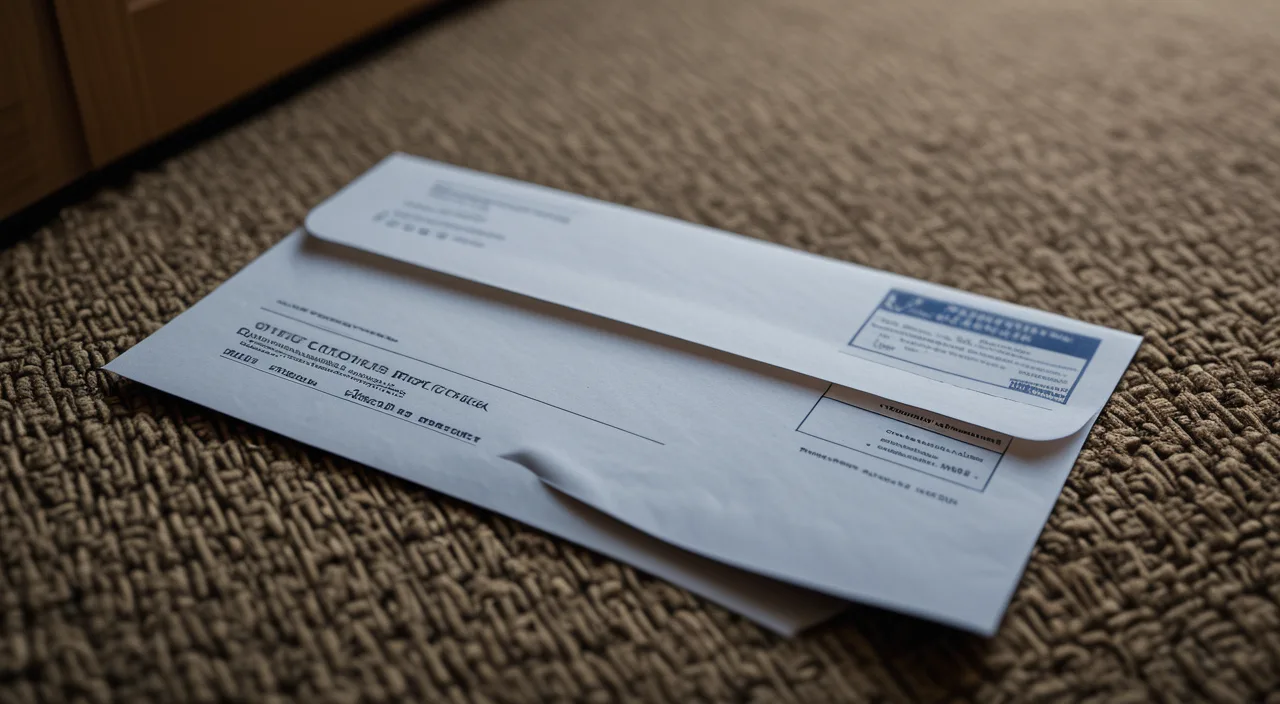
Settlement payment scams piggyback on something true: companies really do settle class actions, and real people really do get checks. Scammers exploit that plausibility with fake 'settlement administrator' emails, texts, and letters that ask you to 'verify' bank details, pay a 'processing fee', or click through to a credential-stealing portal. The good news: real settlements have a paper trail you can check in minutes, and they share one absolute rule — you never pay money to receive settlement money.
Not sure about a specific message?
Paste the exact text, email, or number and get an instant verdict.
Check it nowHow the scam works
The fake-settlement play borrows the language of real legal notices.
- The bait — a message claims you're eligible for a payout from a brand you actually use, which feels credible because major data-breach and consumer settlements are constantly in the news.
- The hook — to 'release your funds' you must confirm your identity with full SSN or bank login, pay a small 'administration fee', or sign in through a lookalike portal that harvests credentials.
- The pressure — a deadline measured in hours, threats that your share will be 'forfeited', or a 'second notice' tone implying you already missed one.
Real settlement administrators do none of this: claims are filed on official websites, fees are never charged, and deadlines are public and measured in weeks or months.
How to verify a settlement notice in five minutes
Every legitimate class action leaves public, checkable footprints.
- Search the case, not the link. Type the case name or 'company + settlement' into a search engine yourself. Real settlements have an official administration website, news coverage, and court records.
- Check the court paper trail. Genuine notices name the court, the case number, and the settlement administrator — details you can confirm independently.
- Inspect the domain. Official settlement sites are specific and boring; scams use lookalike or generic domains. Never reach the site through the message's link.
- Look at what they ask for. Real claim forms ask what you bought or whether your data was affected — not your full SSN, online banking credentials, or a fee.
- When unsure, paste the message into our checker and let the pattern analysis read the urgency and payment cues.
The red flags that decide it instantly
Any one of these settles the question.
- A fee to receive money — processing, tax, release, or transfer. Real settlements deduct nothing from you and never ask for payment. This single rule kills the whole category.
- Bank login requests — administrators send checks or use standard payout providers; they never need your online banking username and password.
- Pressure measured in hours — real claim deadlines are set by courts and published months in advance.
- Payment by gift card or crypto — court-supervised funds do not move that way, ever.
- You can't find the case anywhere — no news, no court record, no official site: no settlement.
If you replied, clicked, or paid
The recovery sequence is the same as other payment scams, with one addition.
- Paid a 'fee'? Contact your bank or card issuer immediately for a reversal and report at reportfraud.ftc.gov.
- Entered credentials on their portal? Change that password everywhere it is reused, enable two-factor authentication, and watch the account.
- Shared SSN or ID? Place a credit freeze and follow identitytheft.gov's plan.
- The addition: if a real settlement exists for that company, file your genuine claim through the official site you found yourself — being targeted by the fake doesn't cost you the real one.
Our step-by-step got-scammed guide covers every door to close, in order.
Frequently asked questions
How do I know if a class-action settlement notice is real?
Verify it independently: search the case name and company yourself, confirm the court and case number exist, and find the official settlement administration site through that search — never through the message's link. Real settlements have news coverage, court records, and specific official websites.
Do real settlements ever charge a processing fee?
No, never. Court-supervised settlements pay claimants without charging fees of any kind. Any request to pay money in order to receive settlement money — by card, transfer, gift card, or crypto — is conclusive proof of a scam.
Why did I get a settlement notice for a company I actually use?
Two possibilities: it's real, since large consumer settlements legitimately notify millions of customers, or the scammer is playing the odds with a brand most people use. The overlap is exactly why you verify through independent search and court records rather than trusting the message.
What information does a real settlement claim ask for?
Typically your contact details and facts about your eligibility — purchase dates, account existence, or whether your data was affected. Real claim forms do not ask for full Social Security numbers, online banking logins, or card details to 'release' funds.
I filed a claim through a link in a text. What now?
Treat it as compromised: change any password you entered (everywhere it's reused), enable two-factor authentication, watch the accounts involved, and add a credit freeze if you shared identity details. Then search for the real settlement and file properly through the official site if one exists.